Streaming Operations Reality Check 2025: You’re Not Alone
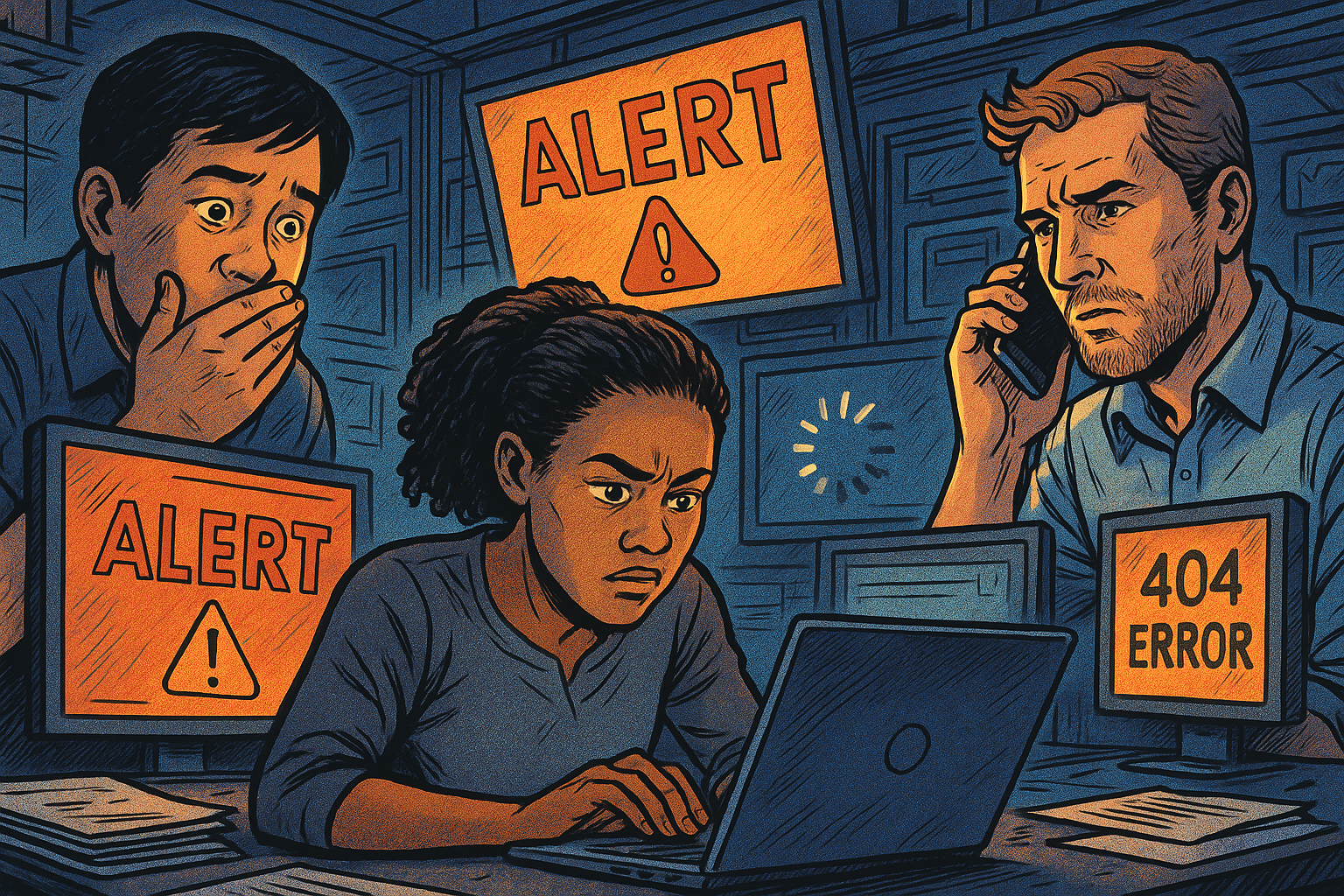
TL;DR – If you’re overwhelmed by alerts, unsure who’s on-call, and still manually validating ad tags in 2025, you’re not broken—the system is.
We talked to a good number of streaming ops professionals like you. Here’s what everyone’s dealing with:
| What’s Breaking | What You Said |
|---|---|
| Knowledge Hoarding | “The one person who knows is unreachable” |
| Tool Overload | “Seven dashboards, zero answers” |
| Fear-Based Ops | “I see the problem but I’m scared to touch it” |
| Manual Hell | “Still checking XMLs by hand in 2025” |
Bottom Line: If you feel like you’re drowning in alerts while starved for actual guidance, you’re in good company. Every tier of streaming—from giants to regionals—faces the same struggles.
Who’s in the Same Boat as You
We heard from professionals across the industry:
| Your Role | % of Respondents |
|---|---|
| Front-line NOC & Live Ops | 38% |
| Senior Engineers / SMEs | 27% |
| Product & Platform Leads | 21% |
| Vendor / Tool Specialists | 14% |
Whether you’re working the overnight shift at a Tier-1 streamer or keeping a regional sports platform alive, the pain points are remarkably universal.
The Daily Reality: Scenarios You’ll Recognize
Red Light Paralysis: That moment when everything turns red but nobody knows where to start or what’s safe to touch. It’s not just frustrating—it’s operationally paralyzing.
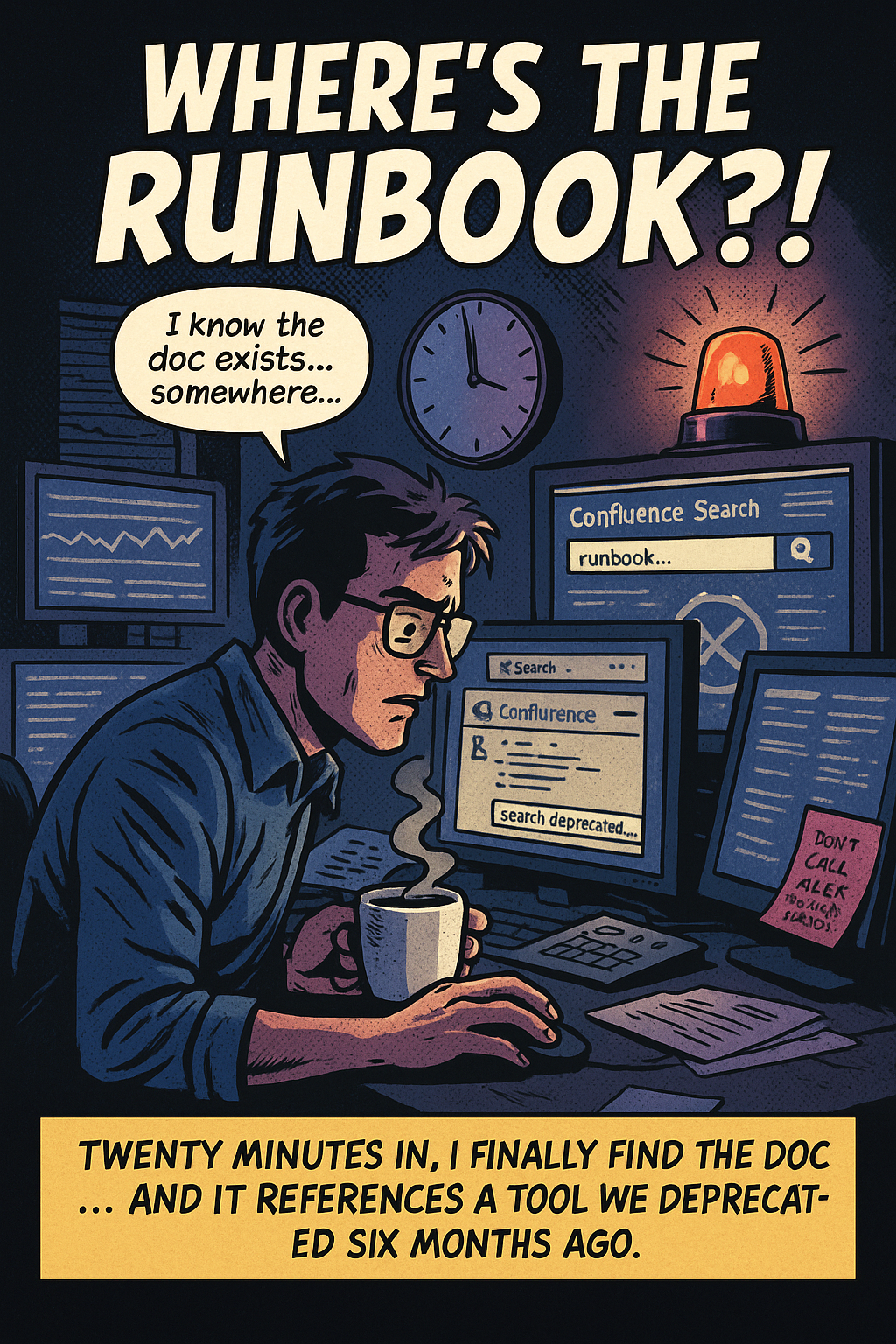
Scenario 1: The 3 AM Knowledge Hunt
What Happens: Major event stream starts buffering. Your monitoring shows CDN response times spiking. You know there’s a runbook for this somewhere…
🛑 Ops Breakdown:
“Docs existed—somewhere in Confluence labyrinth—useless at 3 a.m.”
You spend 20 minutes searching for the right document, trying different search terms. When you finally find it, it references a tool that was deprecated six months ago. You end up calling the senior engineer who’s supposed to be off rotation.
You’re Not Alone: This exact scenario plays out nightly across the industry. One operator described spending “27 minutes proving it wasn’t the encoder” because the documentation didn’t match the current system configuration.
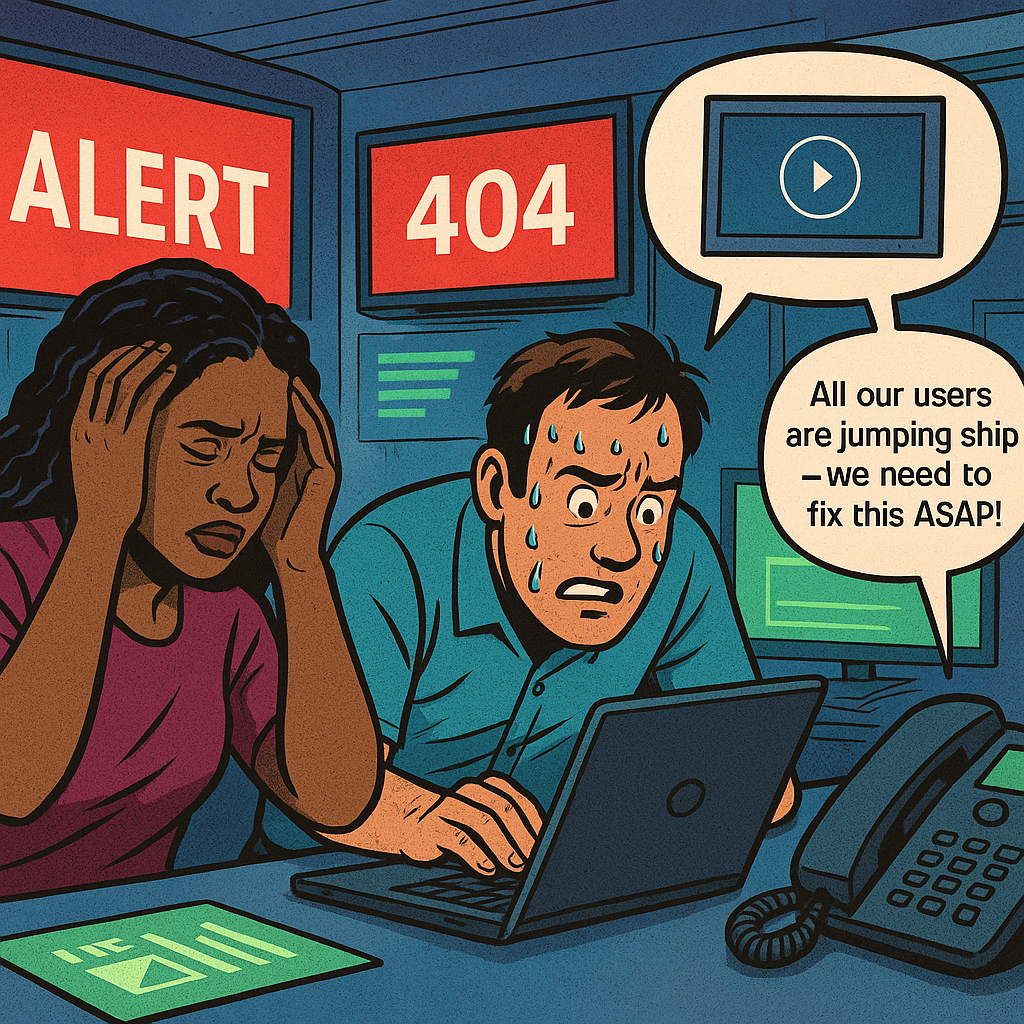
Scenario 2: The Red Dashboard Paralysis
What Happens: Everything turns red at once. Alarms flood in—player errors, CDN alerts, ad server timeouts. Where do you even start?
🛑 Ops Breakdown:
“Alarm flood, no root cause. Metrics said ‘green’. Viewers saw spinning wheels.”
You have visibility into everything but clarity on nothing. Each tool shows a different slice of the problem. By the time you correlate between systems, viewers have already jumped to a competitor.
You’re Not Alone: A live ops contractor shared: “I could see the problem, but I didn’t know if I was allowed to fix it. I just waited.” This powerlessness in the face of data overload is industry-wide.
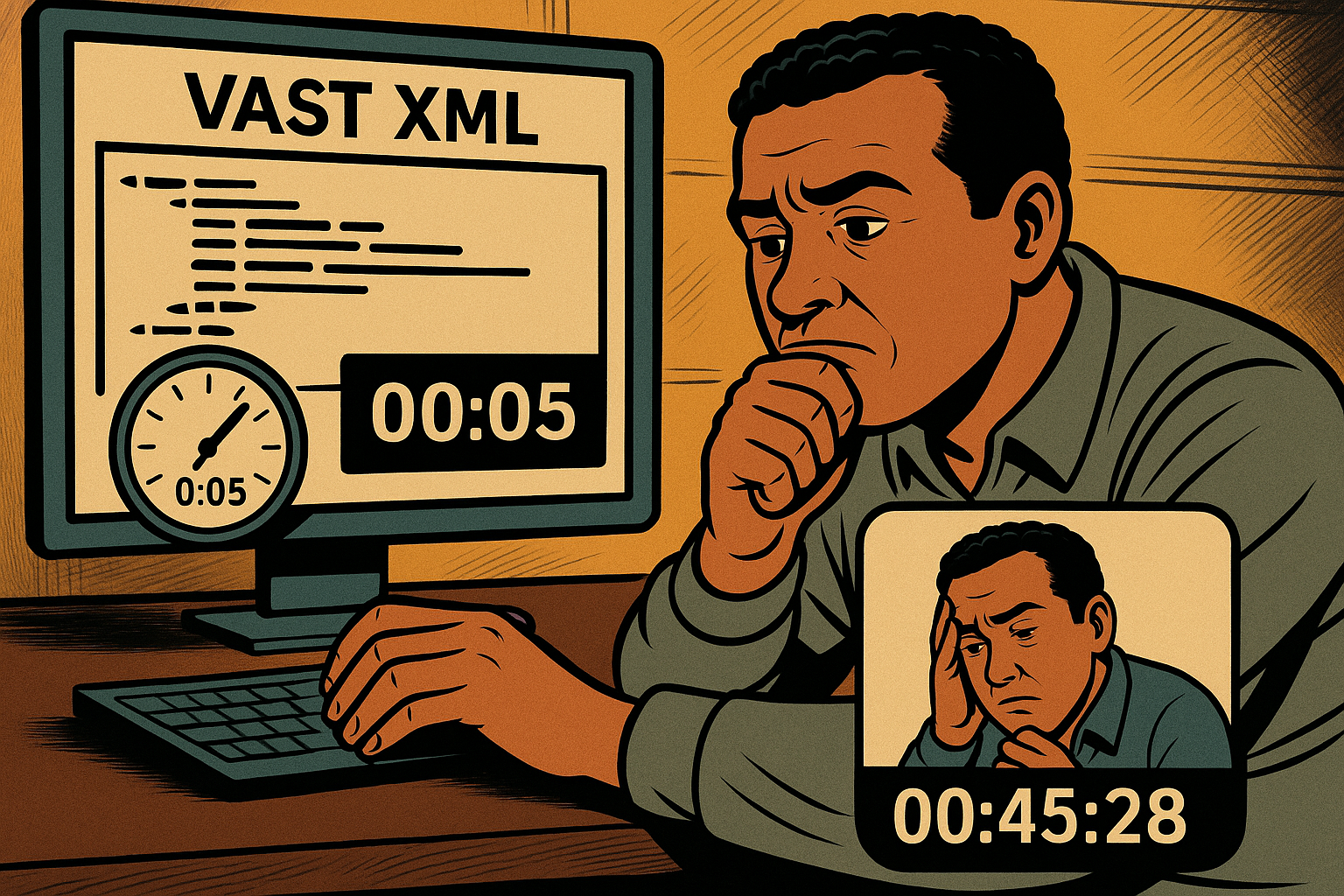
Scenario 3: The Manual Validation Marathon
What Happens: Pre-event checklist says “validate ad responses.” What should take 5 minutes becomes a 45-minute ordeal.
🛑 Ops Breakdown:
“We still have to manually check ads before going live. It’s 2025 and we’re eyeballing XML.”
You’re copying responses into text editors, checking durations, verifying formats—all by hand. One typo in an ad tag crashes the whole monetization strategy. And this is for EVERY event.
You’re Not Alone: An ad ops manager reported this adds “4-10 minutes per incident and is error-prone.” Multiply that across hundreds of events, and you see why everyone’s burned out.
Scenario 4: The Expertise Bottleneck
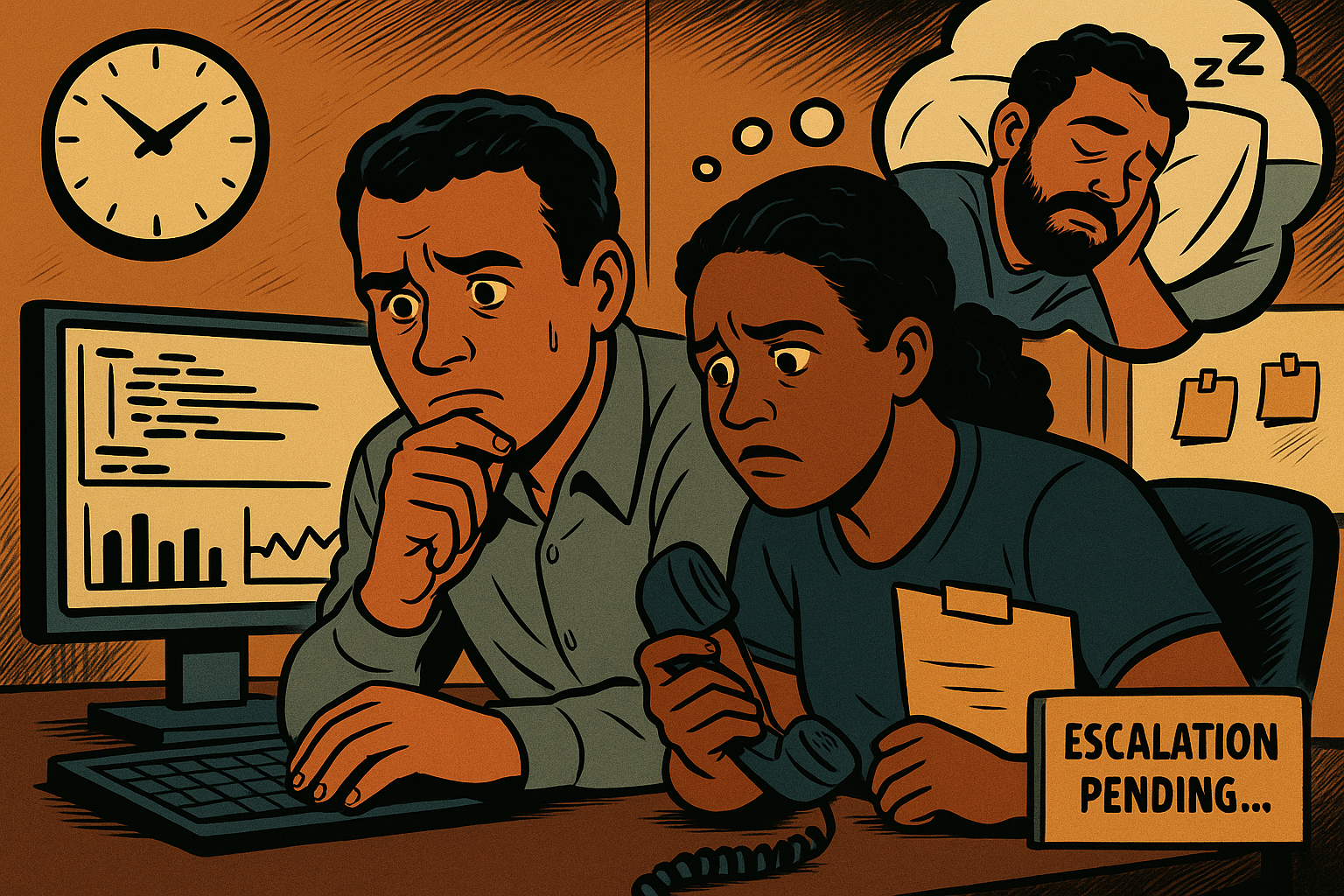
What Happens: Complex issue arises. You know roughly what’s wrong but not how to fix it safely. The one person who does know is unreachable.
🛑 Ops Breakdown:
“We have a few key people who know everything. When they’re not available, we’re flying blind.”
“The one engineer who knows was asleep; we just stared at graphs.”
You’re stuck in limbo—seeing the issue but unable to act. The fear of making things worse paralyzes the whole team. Eventually, you escalate, wake someone up, and feel guilty about it.
You’re Not Alone: This scenario frustrates everyone from junior operators (“scared to do troubleshooting steps”) to senior engineers (“constantly pulled from strategic work to firefight”).
The Knowledge Crisis: Why You Feel Lost
📎 Forgotten Lessons:
Some ops veterans shared stories about infrastructure failures and CDN bottlenecks that are no longer part of the daily conversation. But those pain points didn’t disappear—they got automated away. The problem? That knowledge left with them. When a new team builds without that context, old failures reappear in new form.
The industry has a fundamental knowledge problem, and it’s not your fault:
Documentation That Doesn’t Help
- The Search Problem: “You need to know the exact phrasing”
- The Staleness Problem: References to deprecated tools and old workflows
- The Context Problem: Docs written for ideal scenarios, not 3 AM emergencies
Tribal Knowledge Hoarding
- Critical information lives in specific people’s heads
- When they leave (or just go to sleep), that knowledge is inaccessible
- No systematic way to capture and share expertise
The Fear Factor
Multiple operators used the word “scared” or “powerless” when describing their response to issues. This isn’t a skills problem—it’s a confidence and information problem.
What Everyone Wishes Existed
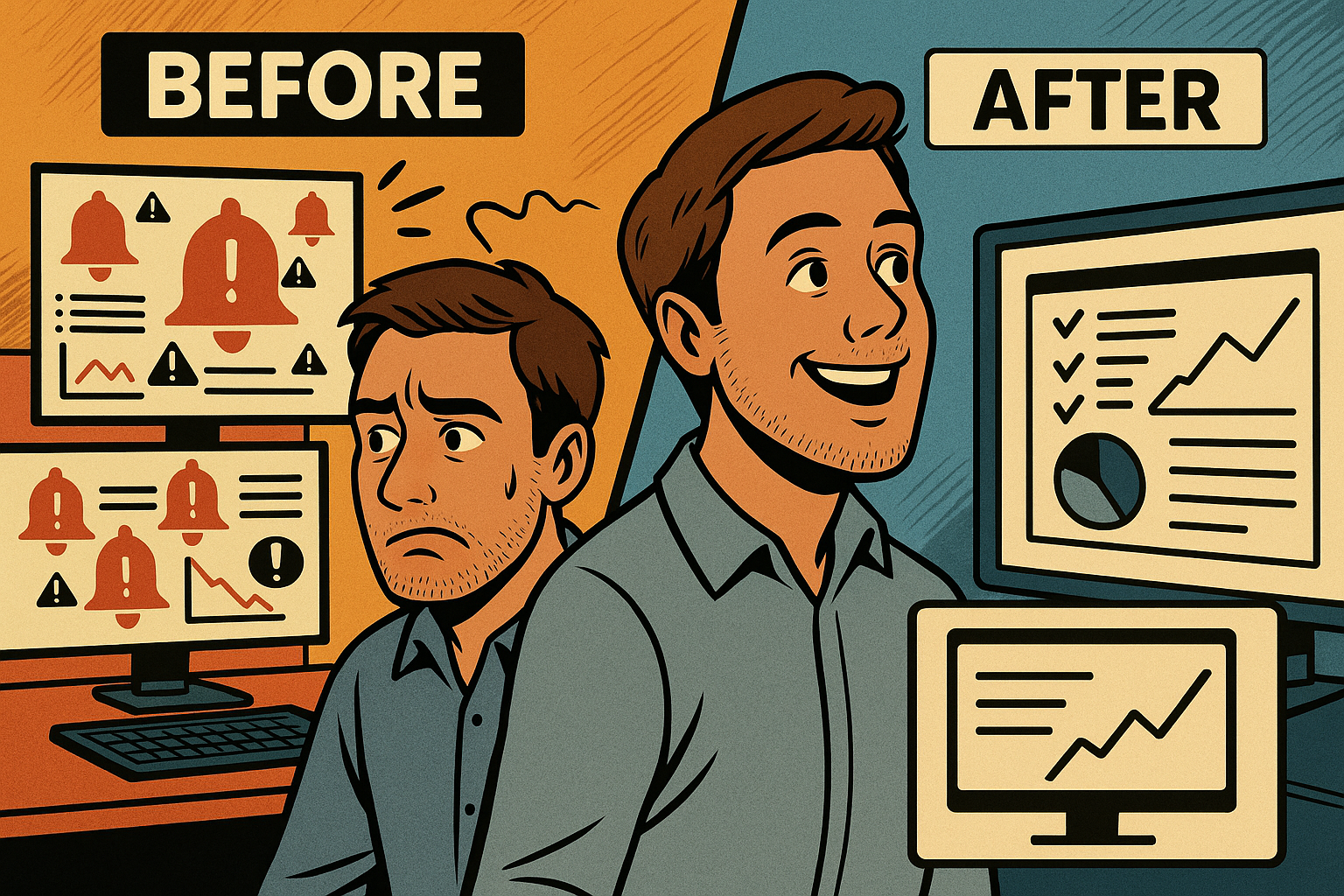
When we asked “If you could redesign detection from scratch,” the responses weren’t about more features or fancier dashboards. They were about fundamentally different approaches:
From Graphs to Guidance
“Don’t just tell me it’s broken. Tell me what to do next.”
Everyone wants tools that bridge the gap between seeing a problem and knowing how to fix it. Not more data—more wisdom.
The Unified View
“One system that ties logs, dashboards, tickets, Confluence, and monitors together for root cause clarity.”
The dream is seeing the full picture in one place, not playing detective across seven different tools.
Click With Confidence
“Safe-to-click automations for repeat fixes.”
For those tasks you do every single day, teams want one-click solutions they can trust—with clear rollback options if something goes sideways.
Real-Time or Bust
“Sub-second ingestion; no 3-minute export lag.”
When dealing with live streams, even 30-second-old data is ancient history. Teams need truly real-time visibility.
⚠️ Beware the Wrong AI
AI that doesn’t work consistently—or requires operators to babysit it—adds risk, not value. Several pros emphasized: “It’s easier to have a human do it when volumes are low.” Use AI where it removes steps, not where it adds more margin for error.
Still Doing This in 2025?
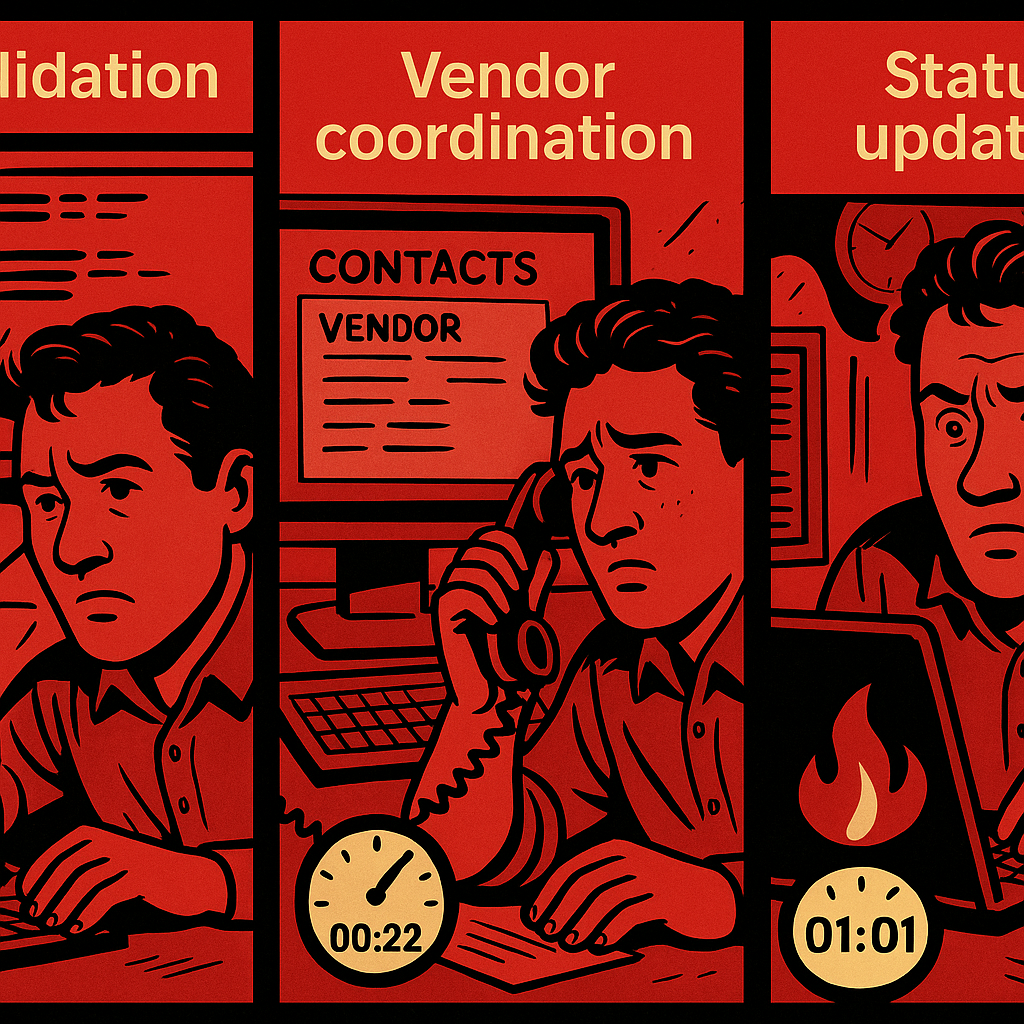
🔥 Pain scale: More flames = more burnout
| Task | Why It Hurts | Universal Pain Level |
|---|---|---|
| Ad validation | Manual XML checks, prone to human error | 🔥🔥🔥🔥🔥 |
| Basic fixes | “Press the button” tasks that waste expert time | 🔥🔥🔥🔥 |
| Vendor coordination | Finding current contacts mid-incident | 🔥🔥🔥🔥 |
| Evidence collection | Post-mortem prep takes longer than the fix | 🔥🔥🔥 |
| Status updates | Constant pings that break your concentration | 🔥🔥🔥 |
One senior engineer summarized: “I can’t believe we’re still doing this manually in 2025.”
Operators consistently warned against the trap of “fluff metrics”—pretty dashboards filled with irrelevant data. One put it simply: “I don’t need green. I need clarity on the reds and yellows.”
What Your Peers Are Saying
On Detection:
“I realized our tooling was a microscope aimed at the wrong galaxy.”
“By the time we detect an issue, viewers have already abandoned the stream.”
On Knowledge:
“Every senior engineer has their own way of solving problems. We need to capture that expertise before they leave.”
“Finding what you need in the middle of an incident is nearly impossible.”
On Manual Work:
“We’ve built amazing technology to deliver content at massive scale. Now we need equally amazing technology to help humans operate it effectively.”
On the Future:
“It’s not about replacing us—it’s about helping us stop guessing and start solving.”
Industry Context: You’re Part of Something Massive
While you’re fighting fires, here’s what’s happening at the macro level:
- Streaming now commands 44.8% of total TV usage, surpassing broadcast and cable combined¹
- The industry generates billions, yet operations teams still struggle with basic tooling
- 87% of tech leaders report difficulty finding skilled people²
What This Means for You
-
Your Struggles Are Valid: Every operator we talked to faces similar challenges. You’re not failing—the tools are.
-
Change Is Coming: The universal nature of these pain points means the industry must evolve. The status quo is unsustainable.
-
Your Experience Matters: The insights you and your peers shared are shaping how the next generation of tools will work.
-
Small Wins Count: Start documenting your own solutions. Share that one weird fix that always works. Build informal networks with peers at other companies.
What You Can Do Today
- Share your workaround: internal Slack, docs, or team wiki
- Shadow teammates during incident response to build shared mental models
- Audit your runbooks—what’s stale, missing, or single-person-dependent?
- Push for tooling trials that focus on workflow clarity, not just new metrics
An Operator’s Manifesto (2025 Edition)
- I deserve tools that don’t assume I’m an expert in seven systems.
- I should never be scared to press the button.
- I don’t need more alerts. I need smarter ones.
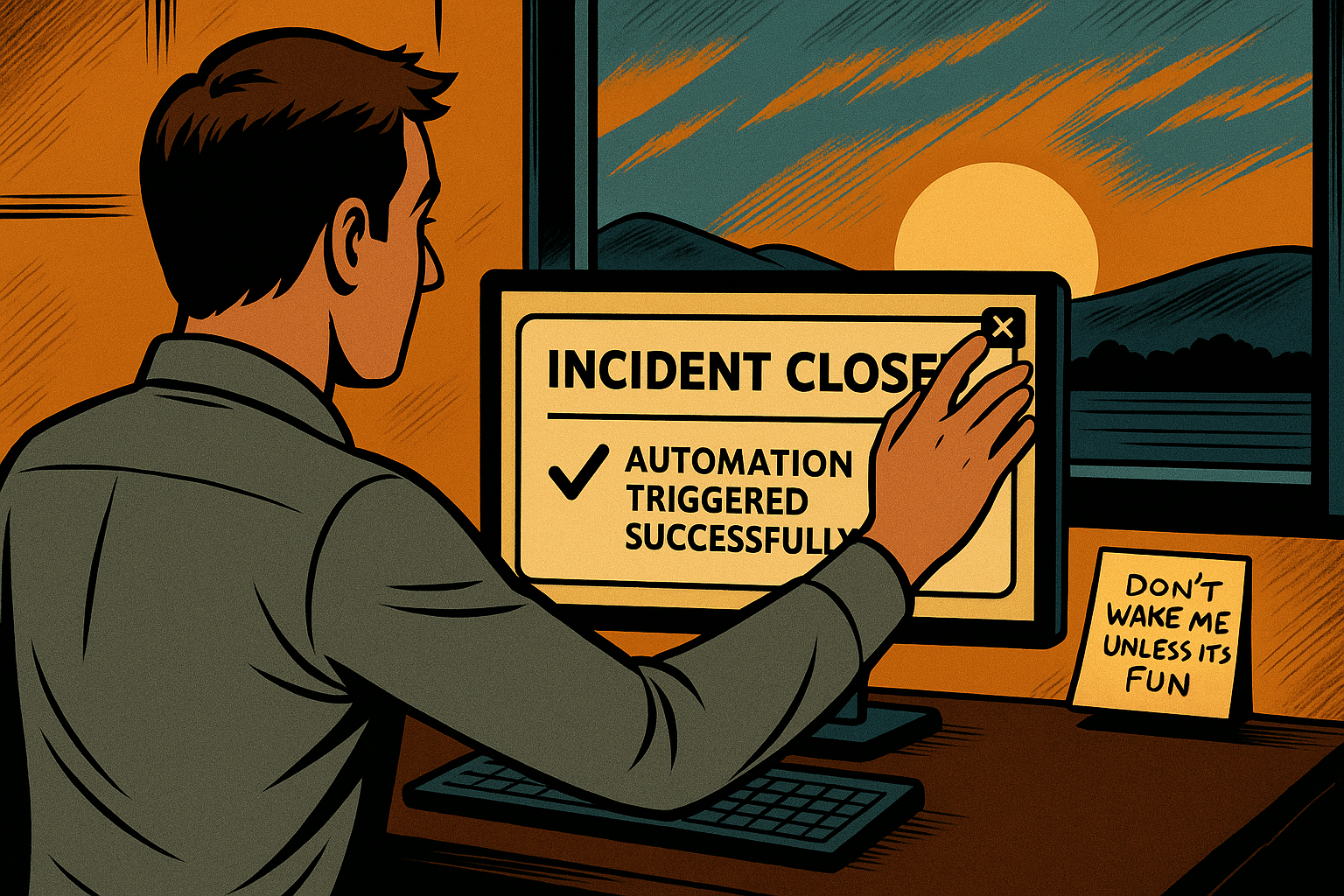
- I shouldn’t dread 3 AM—because it shouldn’t depend on me being awake.
- I want automation that buys me time, not extra steps.
- I want documentation that thinks like I do—under pressure, in real time.
Let’s stop pretending burnout is normal. It’s not. Better is possible—and it starts with listening to the people closest to the fire.
Thank You
To everyone who shared their stories, frustrations, and hopes for the future: this report exists because of your candor. Your experiences matter, and they’re shaping what comes next.
Let’s build what’s next—together. If you’re working on (or stuck in) any of these realities, I want to hear from you.
References
- Nielsen. (June 2025). Streaming Reaches Historic TV Milestone, Eclipses Combined Broadcast and Cable Viewing For First Time.
- Robert Half. (April 2025). Building Future-Forward Tech Teams report.
All quotes and scenarios have been anonymized to protect individual and company identities. Industry statistics are sourced from public reports as cited.
Author: Jun Heider Date: July 23, 2025
Streaming Operations Reality Check 2025: You’re Not Alone © 2025 by Ajnunna Systems LLC is licensed under CC BY-SA 4.0


